


How to Maintain Folding Knife Mechanisms
Last Updated: November 19, 2026
Quick Summary
To maintain folding knife mechanisms, clean debris from the pivot and lock, dry the knife fully, then apply a thin film of knife oil in the right places. Knowing how to maintain folding knife mechanisms comes down to three jobs: keep the pivot clean, keep it lightly oiled, and keep the lock working as designed. No full teardown is required for most owners.
- Skip paper towels because they leave lint that migrates into the pivot and gums up the action.
- Apply 1-2 drops of oil to the pivot, work the blade, then wipe off the excess.
- Keep heavy oil off the lock face because it reduces the friction the lock depends on.
- Most folding knives should not be disassembled for routine cleaning; send deep repairs to a professional.
- Daily pocket carry needs a weekly wipe-down and monthly lubrication with 1-2 drops.
Table of Contents
- What Folding Knife Maintenance Actually Involves
- Building a Pocket Knife Maintenance Kit
- Cleaning a Folding Knife Pivot Without Disassembly
- Choosing a Folding Knife Oil and Where to Apply It
- Folding Knife Lock Maintenance by Lock Type
- When Not to Disassemble a Folding Knife
- Troubleshooting Stiff Action, Blade Play, and Lock Slip
- Match Your Maintenance Schedule to How You Carry
- Frequently Asked Questions
What Folding Knife Maintenance Actually Involves
Knowing how to maintain folding knife mechanisms comes down to three jobs: keep the pivot clean, keep it lightly oiled, and keep the lock working as designed. That is the whole system. Most pocket knife problems start when one of those three gets skipped.
Here is the key insight most guides miss. A folding knife is not a fixed-blade knife with a hinge added. The pivot, detent, and lock form one moving system. Grit in the pivot changes how the lock engages. Old oil in the lock traps new grit. Fix one part and ignore the others, and the action stays rough.
Folding knife maintenance means cleaning debris from the pivot and lock, drying the knife fully, then applying a thin film of knife oil in the right places. No full teardown required.
Below, we cover the kit you need, the no-disassembly cleaning routine, lubricant choices, lock-specific care, and when to leave the screws alone.
Building a Pocket Knife Maintenance Kit
A good pocket knife maintenance kit costs less than a replacement blade and fits in a drawer. You do not need a workbench full of tools.
Start with these items:
- Soft bristle brush for sweeping grit off the blade and handle
- Soft cloth for wiping and drying
- Cotton swabs for pivots and tight recesses
- Compressed air for blowing out loose debris
- Isopropyl alcohol for cutting old oil
- Knife oil for the pivot and lock
- Torx driver set for checking pivot screw tension
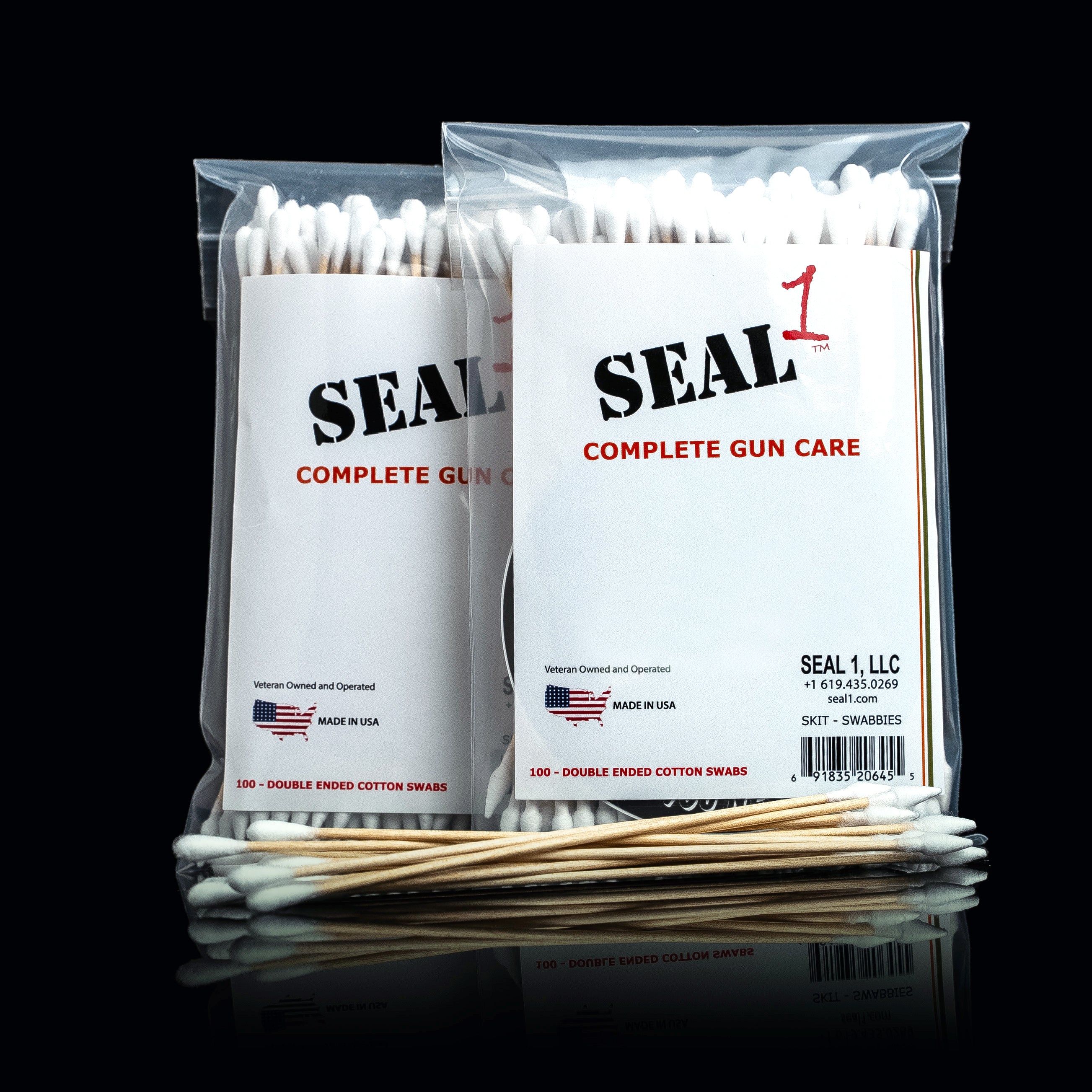
For swabs, Swabbies are double-ended cotton swabs made for tight spaces, with tightly wound tips that leave little lint behind. For wiping, The Gun Rag Gun Cleaning Cloth gives you a lint-free cloth that will not shed fibers into the pivot.
One insider tip: skip paper towels. They leave lint that migrates straight into the pivot and gumms up the action.
Cleaning a Folding Knife Pivot Without Disassembly
Cleaning a folding knife pivot without taking the knife apart is the safest routine for most owners. Open the blade halfway, then work in stages.
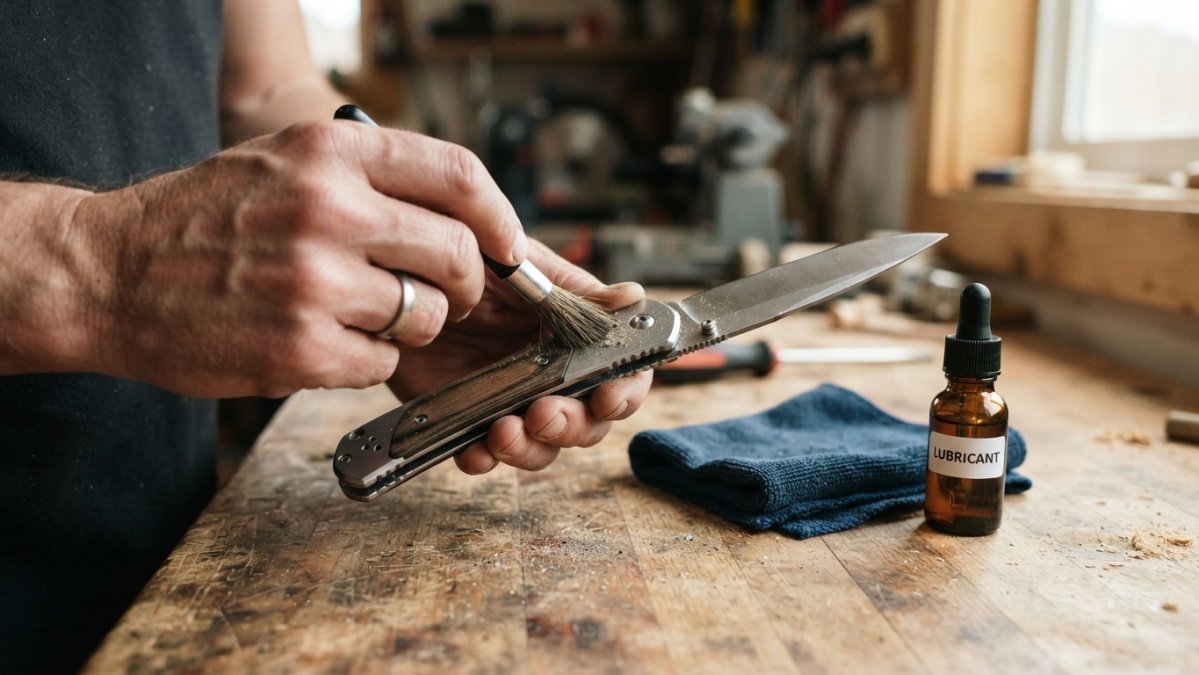
Flushing Out Lint, Sand, and Grit
Pocket lint, sand, and grit are the main enemies of smooth action. They wedge between the blade tang and the liners.
Work through this order:
- Blow loose debris out with compressed air.
- Brush the pivot area with a soft brush.
- Flush the pivot with isopropyl alcohol to cut old oil.
- Wipe away the dirty runoff with a soft cloth.
- Repeat until the runoff comes away clean.
For knives that can take it, warm soapy water works on the blade and handle. Keep water out of the pivot where you can, and never soak a knife with wood scales.
Drying the Knife Thoroughly
Dry the knife completely before you oil it. Water left in the pivot causes rust and corrosion, and oil applied over moisture traps it in place.
- Wipe every surface with a dry cloth.
- Blow compressed air through the pivot and lock recess.
- Let the knife air dry open for a few minutes.
- Check the detent and lock area for trapped droplets.
Only then move to lubrication.
Choosing a Folding Knife Oil and Where to Apply It
The best folding knife oil is thin enough to reach the pivot, stays put, and does not attract grit. Thick grease collects debris. Dry-film and bio-based formulas leave a protective layer without gumming up.
Apply oil by location, not by pouring it everywhere:
| Location | Oil amount | Method |
|---|---|---|
| Pivot | 1-2 drops | Apply, work the blade, wipe excess |
| Detent track | 1 drop | Apply with a swab |
| Lock face | Thin film | Wipe on, wipe off |
| Blade and handle | Thin film | Wipe on for rust protection |
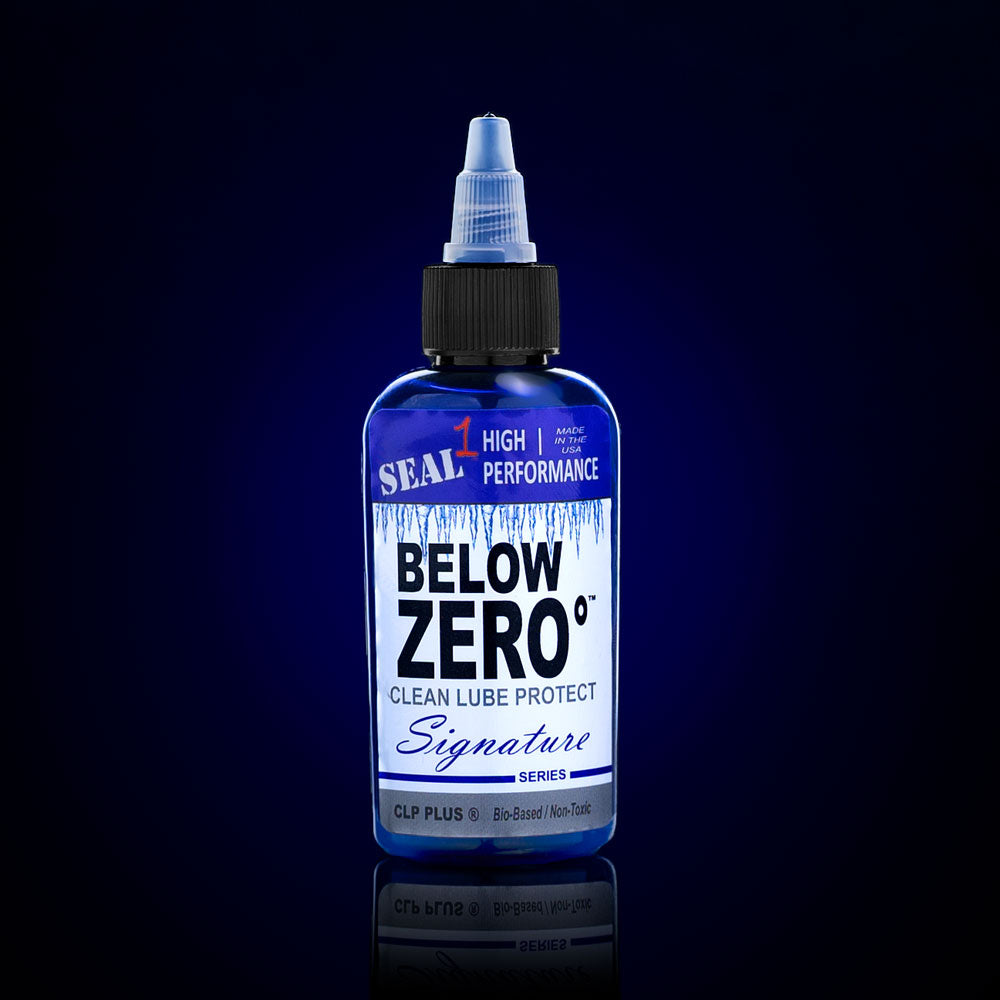
A precision applicator makes this far easier. Seal 1 Signature Series Below Zero comes in a 2 oz bottle with a precision applicator, so you can put oil exactly on the pivot and lock instead of flooding the whole knife.
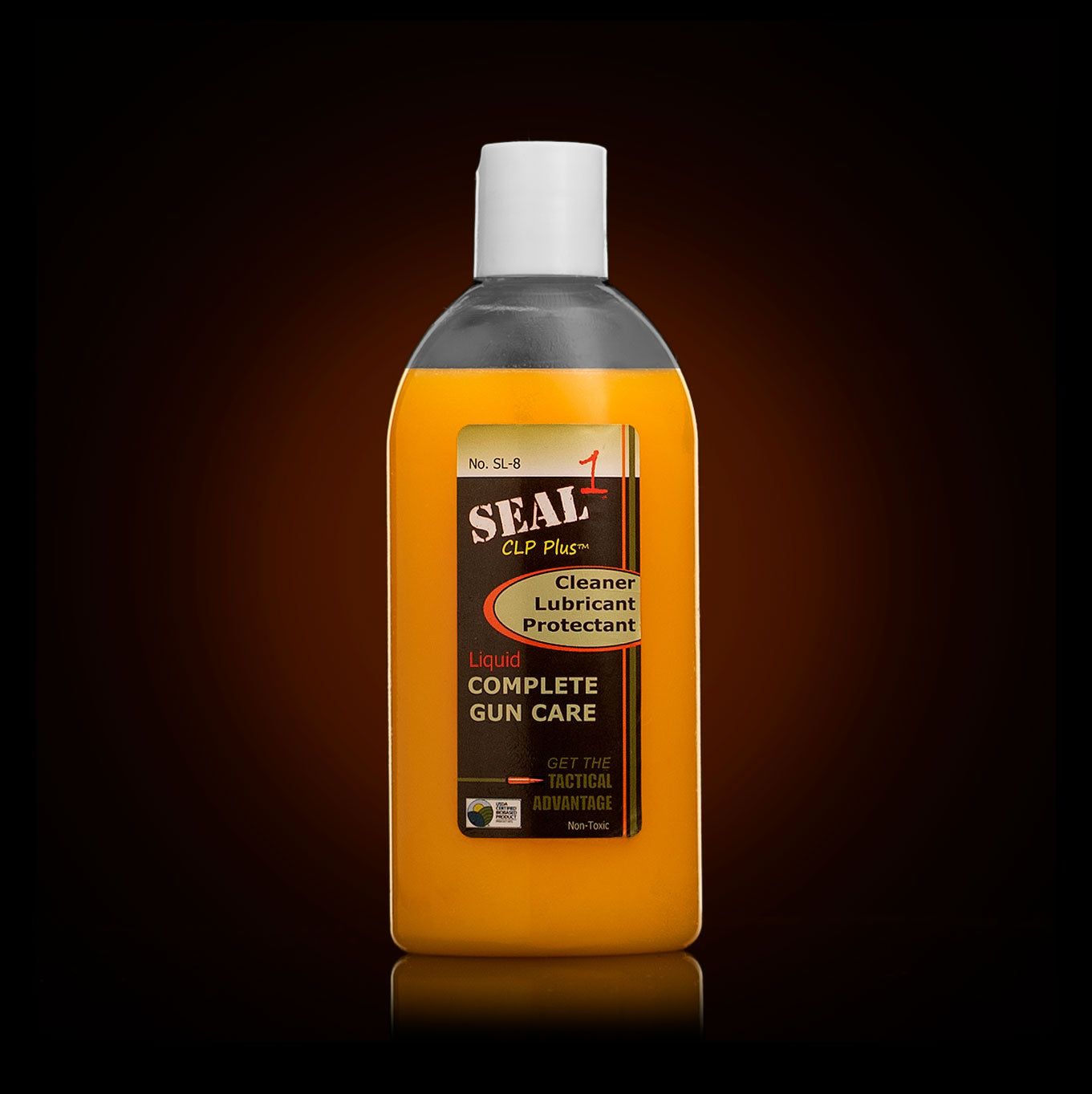
For a full clean-lube-protect step, SEAL 1 CLP Plus® Liquid is a bio-based, non-toxic formula that cleans, lubricates, and protects.
Folding Knife Lock Maintenance by Lock Type
Folding knife lock maintenance changes with the lock mechanism because each lock transfers load through a different contact surface. Oil the wrong surface and you can create slip, attract grit, or slow the action. Treat each type on its own terms.
Liner lock. A spring-steel liner presses against the blade tang, and the angled lock face is what holds the blade open.
Frame lock. Same geometry as a liner lock, but the handle frame itself is the lock bar. Because the frame is thicker and often titanium, it sheds grit less readily in the recess behind the lock bar.
Back lock. A rocker bar in the spine drops a lug into a notch in the blade tang. Debris collects in the rocker recess and around the rocker pin, which is why back locks often feel gritty before they feel stiff.
Axis-style and crossbar locks. A spring-loaded sliding bar captures the tang, and the bar travels in a track in the liners. The track and the omega springs are the wear points.
Compression locks. A steel plate sits between the tang and the stop pin and is pushed into engagement by the tang. Grit on the plate face or the stop pin changes how the lock seats.
Automatic and assisted mechanisms. Never flood the firing mechanism with oil. A thin film is enough, and excess oil can slow the spring, attract debris, and in some designs interfere with the safety.
The rule across every lock type: clean the contact surface first, oil the pivot lightly, and wipe off the rest. If a lock feels like it is slipping or not seating after cleaning, stop using the knife and have it inspected rather than adding more oil.
When Not to Disassemble a Folding Knife
Most folding knives should not be taken apart for routine cleaning, since reassembly mistakes can cause blade play, lost screws, and lock slip.
Leave the knife assembled when:
- The action is only slightly gritty
- You have no Torx driver that fits properly
- The knife has pressed pins instead of screws
- The manufacturer voids the warranty on teardown
- You are not confident setting pivot screw tension
A common mistake is stripping a pivot screw by using the wrong driver size. Another is losing the detent ball or a washer during reassembly. If a knife needs a full teardown for deep rust or repair, send it to the maker or a professional.
Troubleshooting Stiff Action, Blade Play, and Lock Slip
Most folding knife complaints fall into a handful of symptoms, and each has a diagnostic order. Work from least invasive to most invasive, and stop before you force anything.
Gritty or stiff opening action. Start with the pivot, not the lock. Flush the pivot with isopropyl alcohol, work the blade open and closed to carry debris out, dry it fully, then apply one drop of oil and cycle the blade. For a deeper look at gummed-up actions, see Avoiding Gummed Up Gun Actions: A Step-by-Step Guide.
Blade play. Distinguish side-to-side play from front-to-back play. Side-to-side play usually means a loose pivot screw; tighten it in small steps, checking the action after each turn, because over-tightening makes the action stiff. Front-to-back play with a tight pivot often points to a worn or misplaced washer, a loose stop pin, or a lock that is not seating fully.
Lock slip or lock stick. Lock slip is usually oil or debris on the lock face. Clean the face with a swab and alcohol, dry it, and keep heavy oil off the contact surface. Lock stick, where the lock releases with a pop, often comes from a dry or contaminated lock face or from the lock bar traveling too far onto the tang.
Weak detent or difficult opening. A weak detent usually means debris or old oil in the detent track or a detent ball that is not seating. Clean the track with a swab and alcohol, dry it, and apply a single drop with a swab rather than flooding it.
Watch out: never force a stiff blade open or add oil to a slipping lock as a fix; both make the underlying problem worse.
Match Your Maintenance Schedule to How You Carry
Maintenance frequency should follow your carry habits, not a calendar alone.
| Carry situation | Cleaning | Lubrication | Full inspection |
|---|---|---|---|
| Daily pocket carry | Weekly wipe-down | Monthly, 1-2 drops | Every 3 months |
| Range bag or outdoor use | After each trip | After each cleaning | Monthly |
| Beach, sand, or wet work | After each exposure | After each cleaning | Weekly |
| Storage | Before storing | Thin protective film | Every 6 months |
Salt water and sweat demand extra care. Rinse, dry fully, and re-oil the same day. A knife stored for months needs a thin film of oil on the blade to block rust.
Inspect the pivot screw, lock face, and blade edge each time you clean. Catching a loose screw early prevents blade play later.
A folding knife that opens smoothly and locks up tight is not an accident. It is the result of a simple routine: clean the pivot, dry it fully, oil it lightly, and leave the screws alone unless you have a real reason to touch them. SEAL 1 makes that routine faster with a bio-based, non-toxic formula that cleans, lubricates, and protects in one step, tested from -50°F to +650°F and trusted by law enforcement. Wipe it on to clean, wipe it off to lubricate, and your knife stays ready. Get started with SEAL 1 and keep every folding knife in your rotation running smooth.
Frequently Asked Questions
Is WD-40 good for pocket knives?
WD-40 works as a quick solvent and water displacer, but it is not a lasting lubricant for a folding knife. It evaporates and leaves little protection behind, so the pivot can dry out and pick up grit again within days. It also can carry debris deeper into the mechanism. For folding knife maintenance, use a purpose-made knife oil that stays in place and resists corrosion, and apply it sparingly to the pivot after cleaning.
How often should you lubricate a folding knife?
Most everyday carry knives need a light oiling every two to four weeks, or sooner if the action feels dry. Knives used in dusty, sandy, or wet conditions should be checked weekly. If you carry a folding knife daily and open it dozens of times, a single drop at the pivot each month keeps the opening action smooth. Wipe off excess oil so it does not attract pocket lint.
What is the best way to clean a folding knife pivot?
Start with a soft brush or cloth to lift loose dirt, then flush the pivot area with warm soapy water if the knife allows it, working the blade open and closed to move debris out. Rinse, then dry thoroughly with a cloth and let it air dry fully. Finish with a small amount of folding knife oil at the pivot. Avoid soaking knives with wood or bone handles, and skip disassembly unless the action stays gritty after cleaning.
Do you need a maintenance kit to keep a folding knife working?
You do not need a large kit, but a few items make folding knife maintenance far easier: a soft bristle brush, lint-free cloths, cotton swabs for tight spaces, a Torx driver that fits your pivot screw, and a quality lubricant. A pocket knife maintenance kit with these basics covers cleaning, drying, and oiling. Add a drop of oil and a wipe-down after each cleaning, and the lock and pivot stay reliable for years.


