


How to Clean a Muzzleloader Without Harsh Chemicals
Quick Summary
To clean a muzzleloader without harsh chemicals, start with warm water and a few drops of mild soap, since black powder residue is generally water-soluble. Run damp cotton patches through the bore, scrub the breech and flash channel with a soft toothbrush, then rinse and dry every part completely.
- Confirm the muzzleloader is unloaded and remove the percussion cap or primer before cleaning.
- Use warm water and mild soap on cotton patches, not boiling water or harsh solvents.
- Scrub the breech plug threads and flash channel with a soft toothbrush and soapy water.
- Dry every part thoroughly with dry patches, since leftover moisture causes rust.
- Store the muzzleloader dry with no cleaner or water left in the bore.
Table of Contents
- Why Harsh Chemicals Are Unnecessary for Muzzleloader Cleaning
- Safety Checks and Unloading the Muzzleloader Before Cleaning
- Tools and Supplies You Need to Clean a Muzzleloader
- Cleaning a Muzzleloader With Soap and Water
- Cleaning a Muzzleloader With Hot Water and Breech Plug Care
- Choosing the Best Solvent for Black Powder Cleaning
- How to Clean a Muzzleloader Black Powder Fouling and Troubleshoot Stubborn Residue
- Drying, Lubricating and Storing Your Muzzleloader After Cleaning
- Frequently Asked Questions
Why Harsh Chemicals Are Unnecessary for Muzzleloader Cleaning
Most muzzleloader owners assume that black powder fouling requires a strong solvent. It doesn't.
Harsh solvents can leave residue and may affect finishes over time. SEAL 1 Muzzleloader CLP Plus® is a bio-based, non-toxic product that cleans, lubricates and protects in one step.
A common mistake is reaching for a solvent before you've tried water. Start with water and soap, and save specialty products for stubborn spots.
Safety Checks and Unloading the Muzzleloader Before Cleaning
Before you touch the gun, confirm it is completely unloaded. Remove the percussion cap or primer, then check the breech and bore.
- Point the muzzle in a safe direction, away from people and animals.
- Remove the cap or primer and set it aside.
- Run a ramrod or cleaning rod down the bore to confirm it is clear.
- Look through the bore toward a light source to verify nothing is blocking it.
Tools and Supplies You Need to Clean a Muzzleloader
Gather your supplies before you start. A short, well-stocked list keeps the job fast.
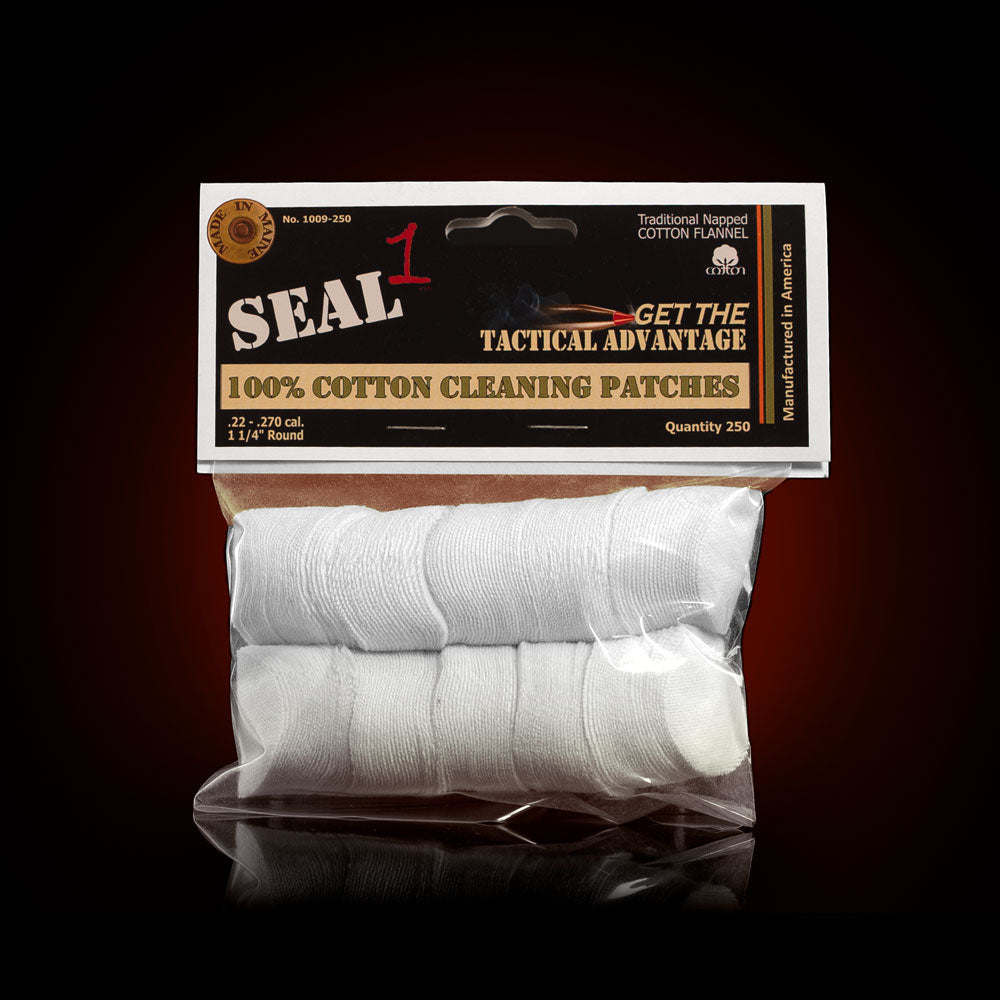
- Cotton patches: The SEAL 1® Cotton Gun Cleaning Patches are double-napped 100% cotton flannel with strong absorbency.
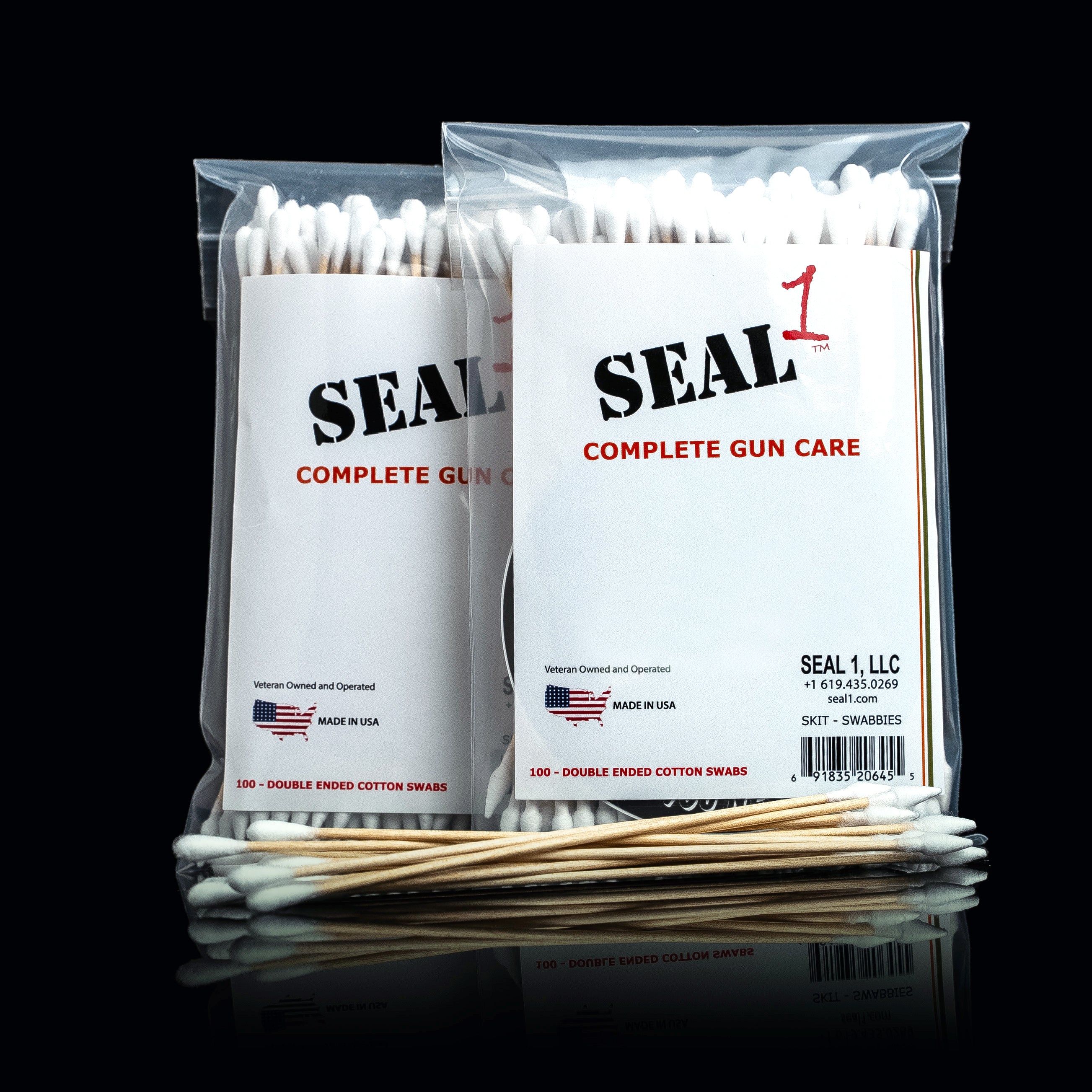
- Swabs: Swabbies are double-ended cotton swabs for precise cleaning of tight spaces.
- Cleaning rod and jag: Use a rod that fits your bore.
- Mild soap and warm water
The right supplies keep the job quick, and each one has a specific role in the cleaning routine.
| Item | Best for | Key note |
|---|---|---|
| Cotton patches | Running damp and dry passes through the bore | Double-napped 100% cotton flannel with strong absorbency |
| Swabbies | Precise cleaning of tight spaces | Double-ended cotton swabs |
| Cleaning rod and jag | Pulling patches through the bore | Use a rod that fits your bore |
| Soft toothbrush or bore brush | Breech plug and flash channel | Scrubs fouling without harsh chemicals |
| Microfiber cloths | Drying and wiping the exterior | Keeps metal dry after cleaning |
Cleaning a Muzzleloader With Soap and Water
Water is the first and best cleaner for black powder fouling. Follow these steps:
- Remove the breech plug if your model allows it, following the manufacturer's instructions.
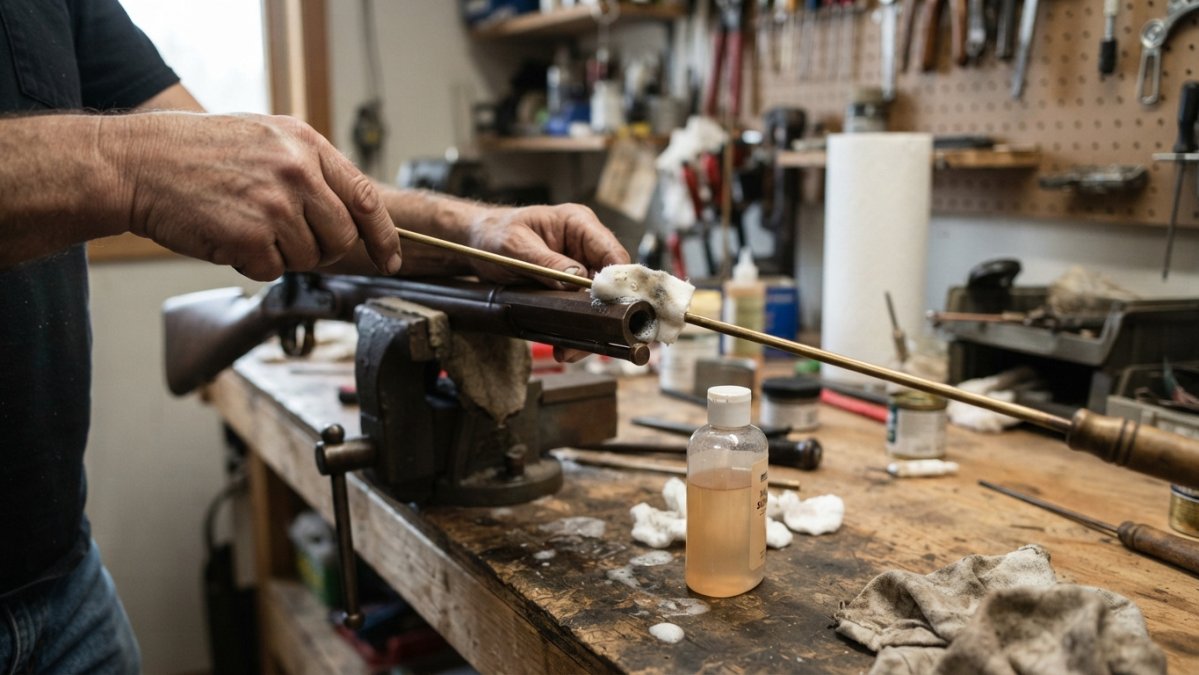
- Wrap a cotton patch around a jag, dampen it with warm water and mild soap, and push it through the bore.
- Repeat with clean, damp patches until the patch comes out clean.
- Scrub the breech and flash channel with a toothbrush and soapy water.
- Rinse the bore with clean water and dry it completely with dry patches.
Photograph-worthy moment: hands working a cotton patch through the barrel over a workbench, mild soap bottle nearby.
Watch out: Never leave water sitting in the bore. Dry every part right away to prevent rust.
Cleaning a Muzzleloader With Hot Water and Breech Plug Care
Warm water helps loosen fouling. Use water that is warm to the touch, not boiling, and keep it away from any stock finish.
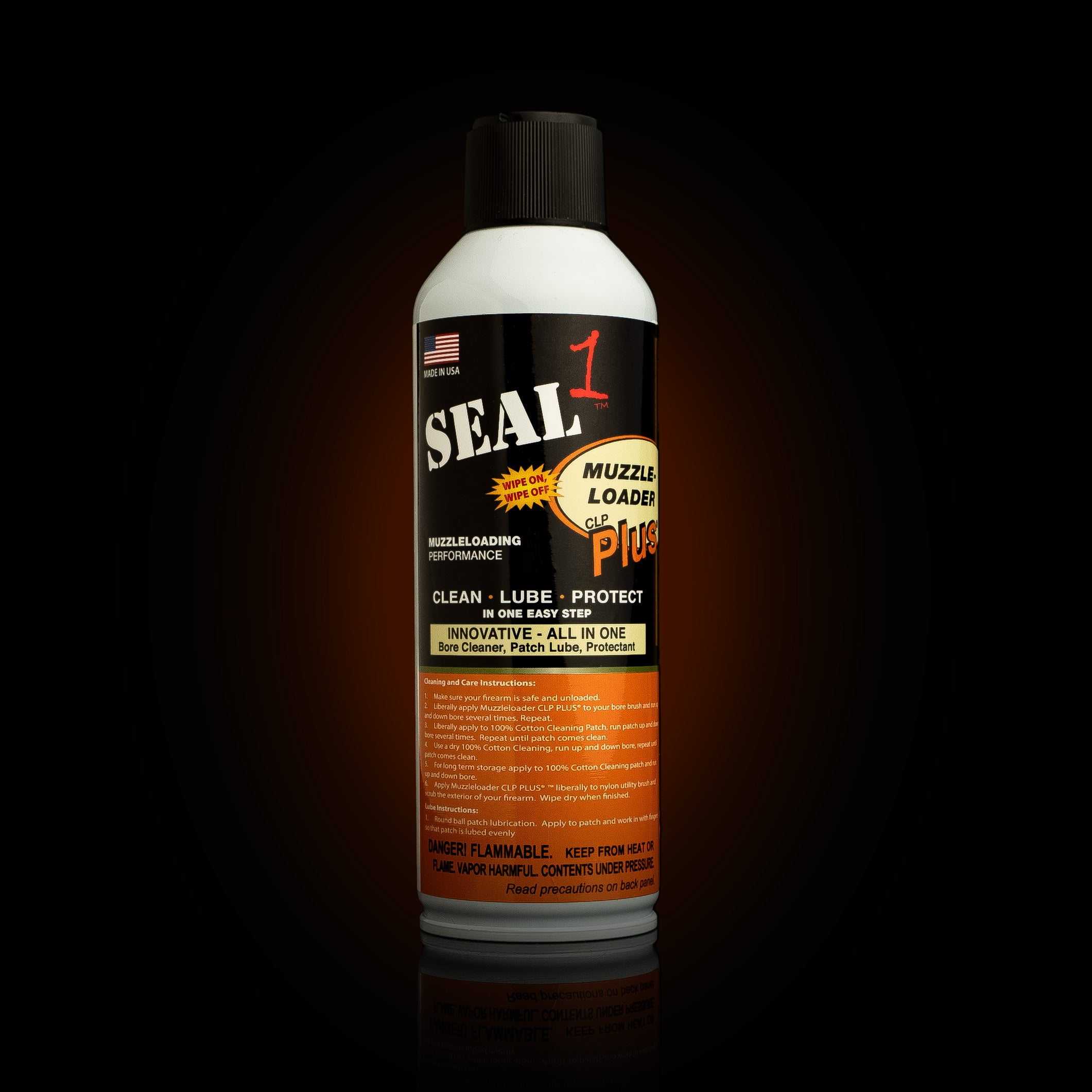
Remove the breech plug and soak it in warm soapy water for a few minutes. Then run hot-water-dampened patches through the bore and finish with a cleaner made for muzzleloaders, such as SEAL 1 CLP Plus® Muzzleloader 6 oz. Aerosol, which works well after the water step.
The breech plug is one area where fouling can collect. Clean it every time, and inspect the threads for wear.
Choosing the Best Solvent for Black Powder Cleaning
"Best solvent" is the wrong question for a muzzleloader. The right question is which cleaner removes your specific fouling without attacking the metal, finish, or seals. Black powder residue is primarily water-soluble, so a no-harsh-chemicals routine built on water, mild soap, and mechanical action handles most of the job. A dedicated muzzleloader product is a supplement, not a replacement for that process.
Match the cleaner to the propellant
Cleaning needs differ by what you burned, and the firearm and propellant manufacturers' instructions always take precedence over any general guide.
- Traditional black powder: Fouling is hygroscopic and pulls moisture from the air, so clean the same day whenever possible. Warm water with a few drops of mild dish soap loosens the residue, and plain water rinses it away.
- Common substitutes (for example, Pyrodex, Triple Seven, and similar products): Follow the propellant label for any specific cleaning guidance. Follow the propellant label for any specific warnings, and expect to need more patch passes and a little more soak time than with black powder.
- Pelletized propellants: Treat them like their base propellant, but pay extra attention to the breech plug and flash channel, where pellet binders can leave a hard ring of residue.
Change one variable at a time and inspect the bore after each session.
A repeatable no-harsh-chemicals procedure
- Confirm the firearm is unloaded and the cap or primer is removed.
- Remove the breech plug if your model allows it, per the manufacturer's instructions.
- Wet a cotton patch with warm water and a few drops of mild soap; run it through the bore on a jag.
- Let the wet patch sit for a few minutes on stubborn fouling, then scrub with a bore brush sized to your bore.
- Follow with clean, damp patches until a patch comes out clean.
- Scrub the breech plug threads and flash channel with a soft toothbrush and soapy water.
- Rinse with clean water, then dry thoroughly before any lubricant goes on.
What not to use
Some common household and shop products do more harm than good on a muzzleloader:
- Chlorinated or ammonia-heavy cleaners: Can attack some finishes and plated parts; avoid unless the firearm manufacturer specifically approves them.
- Abrasive household cleansers and scouring pads: Scratch the bore and remove protective finish.
- Strong acids, including vinegar soaks: Can pit metal and strip bluing; do not use them as a routine bore cleaner.
- Petroleum-based solvents on wood or polymer stocks: Can soften or discolor finishes; keep them off the stock.
Choosing a dedicated product when you want one
If you want a product beyond soap and water, look for one labeled for muzzleloaders and described as bio-based and non-toxic. SEAL 1 CLP Plus® Muzzleloader is offered as a paste and as an aerosol. Use it after the water step, not as a substitute for it.
Watch out: No cleaner, however mild, replaces drying. Water left in the bore, breech, or flash channel can lead to rust.
How to Clean a Muzzleloader Black Powder Fouling and Troubleshoot Stubborn Residue
Stubborn fouling can result from fouling being allowed to dry, insufficient soaking, or an uncleared flash channel. Work through the checks below in order, and stop when the manual says to stop.
Stubborn bore fouling
- Dry, crusted residue: Wet a cotton patch with warm soapy water, run it through, and let it sit for five to ten minutes before brushing. Repeat the soak rather than scrubbing harder.
- A ring of fouling near the breech: Use a bore brush sized to your bore, then follow with wet patches. A jag that is too small lets patches skip the grooves.
- Patches still come out dark after many passes: Keep going with fresh patches until they stay clean; dark patches after several passes usually mean fouling is still dissolving, not that the bore is damaged.
- Rod feels like it is binding: Check that the jag fits and the rod is straight; a bent rod or oversized jag can scrape the bore.
Blocked or restricted flash channel
- Remove the breech plug per the manufacturer's instructions.
- Soak the plug in warm soapy water for a few minutes.
- Clear the flash channel with a pipe cleaner or a soft pick dipped in warm water; do not enlarge or drill the channel.
- Rinse, dry completely, and inspect the threads for wear before reinstalling.
Watch out: If the flash channel will not clear with a pipe cleaner, or if the breech plug threads are damaged, stop and consult the firearm manual or a qualified gunsmith rather than forcing a tool through the channel.
When to stop and get help
Stop cleaning and seek qualified help if you see pitting, deep scratches, a stuck patch or rod, damaged breech-plug threads, or a bore that stays fouled after repeated soak-and-patch cycles. These are signs of a mechanical issue, not a cleaning problem.
Post-shot, full-clean, and storage checklist
Use this to separate what must happen at the range from what can wait for the workbench.
Immediately after shooting (field care):
- Confirm the firearm is unloaded and the cap or primer is removed.
- Run one damp soapy patch and one dry patch through the bore if your manual permits field cleaning.
- Wipe the exterior with a dry cloth.
- Store the firearm dry and do not leave water in the bore.
Full cleaning (same day when possible):
- Remove the breech plug and clean the bore, breech, and flash channel with soapy water.
- Scrub the breech plug threads and flash channel.
- Rinse with clean water and dry every part completely.
- Apply a light coat of muzzleloader-appropriate lubricant and wipe off the excess.
Long-term storage:
- Confirm the bore, breech area, and flash channel are dry.
- Apply a light protective coat and wipe off the excess.
- Store in a dry place with the breech plug removed if the manufacturer allows it.
- Recheck the bore for moisture or rust before the next session.
A concise checklist posted at the bench can help keep the field step from being skipped.
Drying, Lubricating and Storing Your Muzzleloader After Cleaning
Drying is the step most people rush, and it causes the most rust.
Apply a light coat of lubricant. For guidance on choosing a gun oil that is safe for delicate finishes, see Safe Gun Oil for Delicate Finishes: A Complete Guide.
Store the muzzleloader in a dry place with the breech plug removed if you won't use it for a while.
Watch out: Don't store the gun with any cleaner or water left in the bore.
Ready to clean without harsh chemicals?
Frequently Asked Questions
Can you clean a muzzleloader with soap and water?
Yes. Mild dish soap mixed with warm water is an effective, non-toxic way to remove black powder fouling from a muzzleloader bore. Scrub the bore with a bore brush or patch, rinse thoroughly to remove all soap residue, then dry the barrel completely. Soap and water loosens residue well, but it must be followed by a full drying step and a light coat of lubricant, because water left in the bore or on exposed metal will lead to rust. Avoid leaving moisture in the breech plug threads and flash channel.
Can you clean a muzzleloader with hot water?
Hot water is useful for dissolving black powder fouling, since the residue is water-soluble. Use warm to hot water, not boiling water, and avoid heating the whole firearm. Run several wet patches through the bore, then follow with dry patches until they come out clean. Pay close attention to the breech plug and flash channel, where residue collects, and dry them thoroughly afterward. Hot water is often combined with a mild soap, followed by a light lubricant.
How do you prevent rust after cleaning a muzzleloader with water?
Rust prevention depends on drying and lubrication. After rinsing, run dry patches through the bore until no moisture or color appears on the patch. Dry the breech plug, flash channel, nipple area and exterior metal with a clean microfiber cloth. Then apply a light coat of a bio-based bore lubricant or protectant to all metal surfaces. Store the muzzleloader in a dry location, and check it periodically, especially in humid conditions, since water residue left behind is the most common cause of corrosion.
How often should you clean a muzzleloader after shooting?
Clean the bore after every shooting session, since black powder residue is corrosive and absorbs moisture from the air. Even if you shoot only a few rounds, a quick cleaning prevents fouling from hardening and making the next session harder. A full disassembly and cleaning of the breech plug and flash channel is recommended after each day at the range or before long-term storage. Regular, prompt cleaning is the simplest way to protect your muzzleloader without relying on harsh chemicals.


